
Starter readiness
See the signs of an active starter before building dough, including what to check when sourdough starter won't rise or does not float.
Bunbee helps home bakers understand sourdough starter readiness, dough strength, folds, bulk fermentation, proofing, baking timers, and visual checkpoints.

Sourdough gets confusing because time changes with starter strength, flour, hydration, and kitchen temperature. Bunbee keeps the recipe steps tied to visual cues, so you can tell whether the starter is active, the dough needs more folds, or the proof is moving too fast.
See the signs of an active starter before building dough, including what to check when sourdough starter won't rise or does not float.
Follow feeding, mixing, folds, bulk fermentation, proofing, temperature, and baking with checkpoints instead of only a fixed recipe time.
Keep stretch-and-fold windows, rests, proofing, and baking timers close to the sourdough recipe.
Bunbee helps with the parts that make or break sourdough: starter activity, dough feel, folds, rise, proofing, scoring readiness, and bake timing.
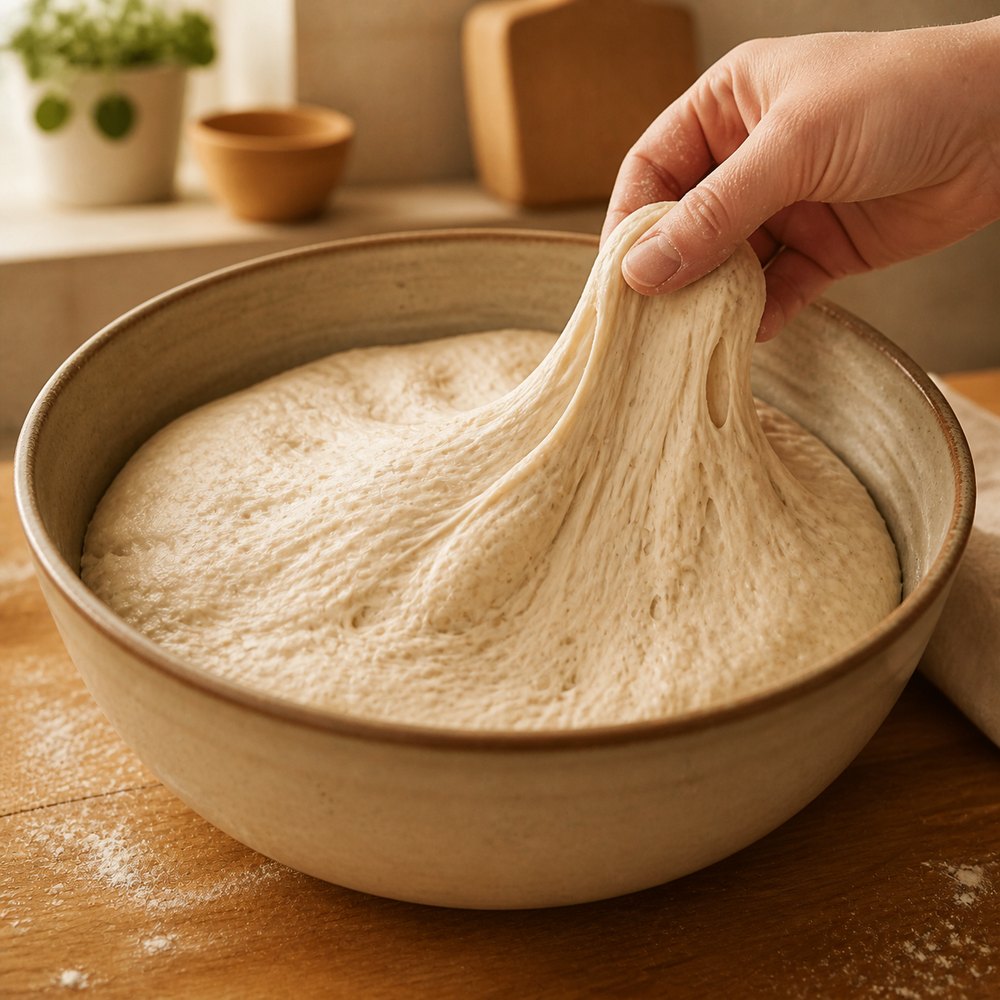
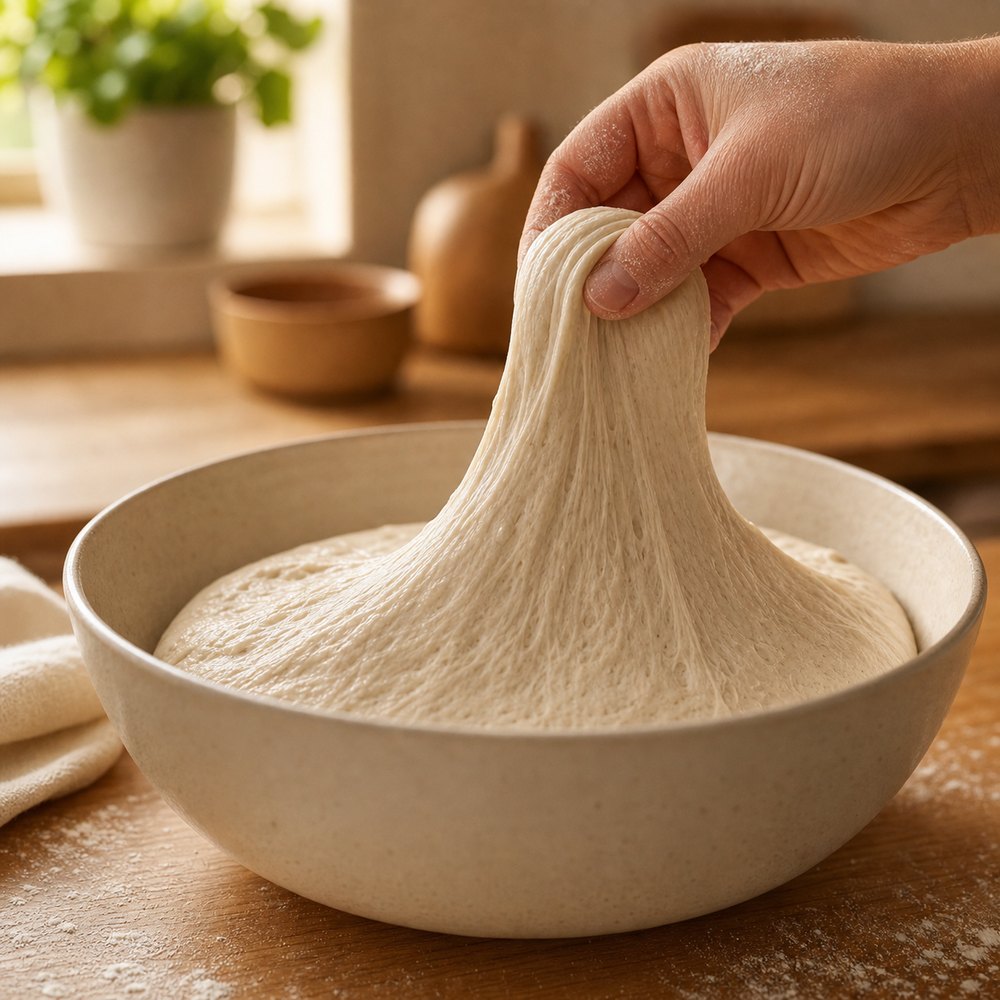
Bunbee focuses on visual starter cues, timing checkpoints, and signs to check before mixing dough.
Yes. It gives proofing and fermentation cues so you can watch the dough instead of relying only on a fixed clock.
Yes. Bunbee keeps timers connected to feeding, resting, folding, bulk fermentation, proofing, and baking.
Yes. Sourdough maps into Bunbee's bread and sourdough plan, so the web funnel starts with bread guidance.
It may be too cold, underfed, too young, or not active enough. Bunbee helps you watch starter readiness before mixing dough.
The float test is one signal, but Bunbee also looks at rise, bubbles, timing, and visible starter activity.
Bunbee keeps the timeline tied to starter strength, folds, bulk fermentation, proofing, temperature, and baking checkpoints.
Get starter cues, dough checks, fermentation guidance, proofing timers, and step-by-step sourdough baking on iPhone.